
How to Budget for a Luxury Custom Renovation in 2026

Last Updated: October 28, 2026
Quick Summary
A luxury custom renovation costs more because of the choices behind it, not just the size of the job. Scope, finishes, site conditions and how much of the design is bespoke all push the final figure up or down.
- Define the scope early, since moving walls and adding an island costs far more than new cabinetry alone.
- Ask for an itemised quote that separates each trade so you can see where money is going.
- Settle plumbing and electrical positions before choosing fixtures, to avoid paying twice to move them.
- Confirm that drainage and levels are included in any outdoor decking or living area quote.
- Compare cost per square metre only like for like, checking what each rate includes.
Table of Contents
- What Drives the Cost of a Luxury Custom Renovation
- High-End Renovation Cost Breakdown by Room and Trade
- Renovation Cost per Square Metre: How to Read the Numbers
- Materials, Finishes and Labour: Where Custom Choices Add Up
- How to Compare Renovation Quotes Side by Side
- Setting a Renovation Contingency Budget That Holds
- Booking Your Consultation and Getting an Accurate Quote from Archibuilt
- Frequently Asked Questions
What Drives the Cost of a Luxury Custom Renovation
A luxury custom renovation costs more because of the choices behind it, not just the size of the job. Scope, finishes, site conditions and how much of the design is bespoke all push the figure up or down. Pricing depends on these factors.
Start by writing down what you want changed and why. A kitchen that only needs new cabinetry sits at a very different price point from one that moves walls, reroutes plumbing and adds an island. Define the scope early to make the budget easier to pin down.
Site conditions matter too. Older Melbourne homes can hide surprises behind walls, under floors and within old wiring. Ask your builder how they assess these risks before work begins.
High-End Renovation Cost Breakdown by Room and Trade
Costs vary widely by room, and the trades involved change the picture. Kitchens and bathrooms usually carry the highest per-square-metre figures because they combine plumbing, electrical, waterproofing, joinery and premium fittings in a small footprint. Outdoor areas are priced differently, mainly around materials, drainage and structural work.
Request an itemised quote that separates each trade. That lets you see where money is going and where you could adjust.
Kitchens and Bathrooms
Kitchens and bathrooms are where custom choices add up fastest. If a bathroom is on your list, see our custom bathroom renovation specialists in Melbourne for the kind of work involved. Bespoke joinery, stone benchtops, floor-to-ceiling tiling and integrated appliances each carry their own cost, and they often depend on lead times as much as on price.
A common mistake is choosing fixtures before confirming the layout. Settle the plumbing and electrical positions first, then select finishes. This avoids paying twice to move a tap or a power point.
Outdoor Decking and Living Areas
Outdoor living spaces are often treated as an afterthought in budgets, yet decking, pergolas and paving can add a significant amount. Timber, composite and stone each have different installation costs and maintenance needs.
Drainage and levels are the hidden expenses here. Poor site preparation leads to problems later, so confirm these are included in any quote you receive.
Renovation Cost per Square Metre: How to Read the Numbers
A cost per square metre figure is useful for comparison, but it can mislead if the scope behind it differs. Two quotes with identical per-square-metre rates can describe very different projects. Always check what each rate includes, such as demolition, waste removal, fixtures and project management.
Use the per-square-metre figure to compare like with like, not as a final price. Ask each builder to state the area being measured and the works covered by the rate.
Materials, Finishes and Labour: Where Custom Choices Add Up
Materials and labour make up the bulk of most renovation budgets, and custom choices can shift both. Imported stone, made-to-measure cabinetry and specialist tradespeople all cost more than standard options, and lead times can affect your schedule.
Labour rates depend on the skill level required and how long the work takes. Complex custom work takes longer, so it costs more even when the materials are modest.
Here is a simple way to think about where money goes:
| Cost area | What drives it | Where to look for savings |
|---|---|---|
| Materials | Imported or custom finishes | Standard ranges in visible areas |
| Labour | Complexity and hours | Clear scope before work starts |
| Fixtures | Brand and specification | Mid-range options in low-use areas |
How to Compare Renovation Quotes Side by Side
Comparing quotes is harder than it looks because builders rarely present them the same way. Start by asking each builder for a written, itemised breakdown covering materials, labour, project management and contingency.
Check whether each quote includes the same scope, the same finishes and the same timeline. A lower price is only a saving if the work is equivalent. Look for exclusions, provisional sums and any clause that could change the price later.
Setting a Renovation Contingency Budget That Holds
Every renovation needs a contingency allowance, because hidden conditions and design changes are almost certain on older properties. Our guide on how to avoid renovation cost blowouts covers practical steps for keeping the allowance intact. Many homeowners set aside a percentage of the total budget, but the right figure depends on the age and condition of the home and how much of the design is still open.
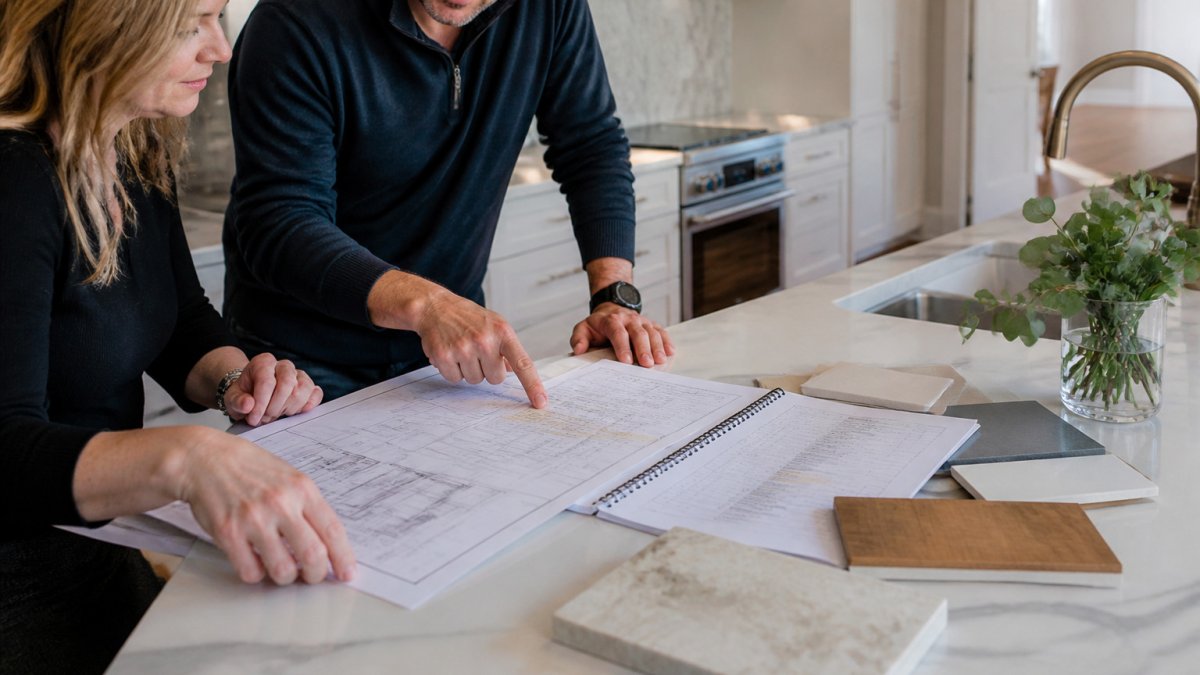
Keep the contingency separate from your main budget so it is not spent on upgrades by accident. Review it at each stage of the project, and agree in writing how changes will be priced.
Booking Your Consultation and Getting an Accurate Quote from Archibuilt
A plan for your home can help make the project more concrete. Archibuilt takes a personalised approach to understanding your lifestyle and preferences. We do not quote prices in this guide, because every home is different.
To begin, get a quote for your project.
Frequently Asked Questions
How much does a luxury custom renovation cost?
Luxury custom renovation pricing depends on the size of the project, the level of finish, structural work and the time required, so there is no single figure that applies to every home. Costs are best understood through a detailed scope rather than a headline number. For current pricing based on your home and plans, request a quote through the Archibuilt website.
What factors have the biggest impact on luxury renovation costs?
The main drivers are structural changes, the number of wet areas, the choice of premium materials and bespoke joinery, and access constraints on site. Decisions made late in a project, such as changing a layout after work has started, often add the most cost. Clarifying your priorities early, and making selections before construction begins, helps keep costs predictable. A builder who explains each cost driver in plain language makes these trade-offs easier to weigh.
How much should I budget for a contingency on a renovation?
A contingency allowance is held aside for unforeseen issues such as hidden structural problems, plumbing or electrical upgrades uncovered during demolition, and changes you decide to make mid-project. The appropriate percentage depends on the age of the property and the extent of the work, so ask your builder to explain how their contingency is calculated. Keeping a separate, clearly labelled contingency line in your budget makes it easier to track and to avoid surprise bills.
How can I compare renovation quotes fairly?
Compare quotes only when they cover the same scope, specifications, inclusions and exclusions. Check whether each quote lists materials, labour, site preparation, waste removal, permits and project management separately. Ask each builder to explain any significant difference in price, and confirm the payment schedule and how variations are priced. A quote that is much lower than the others often omits items that will appear later as variations.
